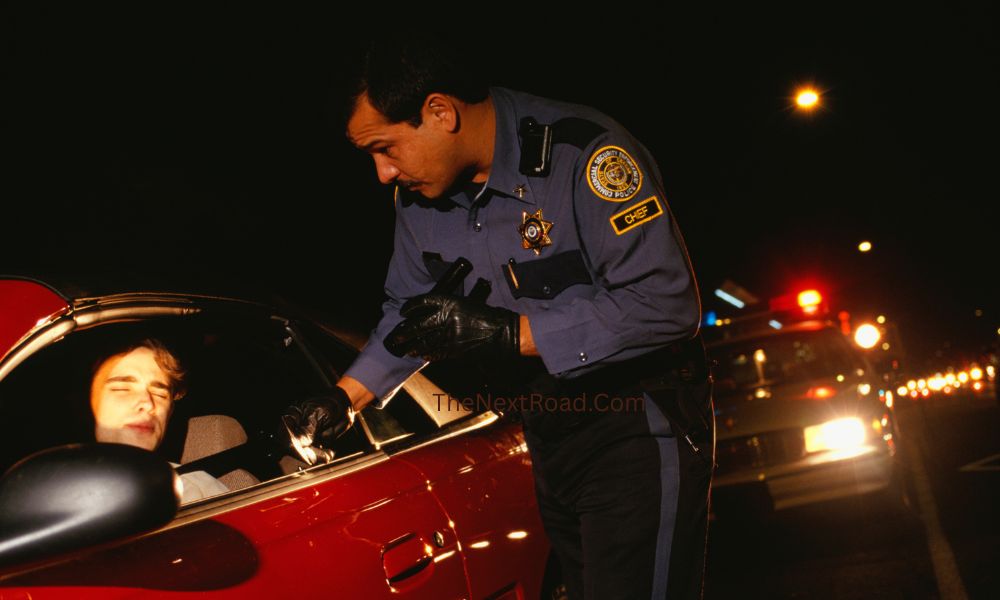
When can police search your car? Here we explain in detail. Learn the laws, your rights, and how to navigate police encounters confidently.
Getting pulled over can feel scary. It can feel worse when an officer asks, “Can I search your car?” Many drivers say “yes” because they feel nervous. But in many cases, you do not have to agree.
Knowing your rights can help you stay safe and calm. It can also help protect you later. This guide explains the rules in very simple terms.
The Only 3 Times When Can Police Search Your Car
Police cannot search your car whenever they want. They can only search your car in three situations.
1. Police Have a Search Warrant
A search warrant comes from a judge. If an officer has a warrant:
- You must allow the search
- Do not argue or interfere
- Call a lawyer as soon as you can
This means a judge already approved the search.
2. You Say Yes to the Search
This is the most common reason searches happen. You have the right to say no. If you say yes, even once, police can search your car. If an officer asks for permission, you can respond by saying, “No, officer.” I do not consent to a search.” Important facts to know:
- Saying no is legal
- Saying no does not mean guilt
- Your refusal may help your lawyer later
Be clear. Be calm. Be polite.
3. Police Have Probable Cause
‘Probable cause’ means the officer sees or smells something illegal. Examples include:
- Drugs in plain view
- Open alcohol bottles
- Weapons you can see
- The smell of marijuana
- Loose pills that look illegal
In many states, smell alone allows a search. Police may also search if:
- You are arrested
- Your car is towed
When a car is towed, police must list items inside. This is called an inventory search.
What About Drug Dogs?
Police may mention drug dogs to pressure you. Here is the truth:
- Police cannot delay a stop just to wait for a dog
- Long waits without cause are illegal
- If a dog is already there, police may use it
Stay calm. Say nothing. Talk to a lawyer later.
How to Protect Your Rights During a Stop
Follow these simple rules:
- Be polite
- Do not give consent
- Do not share extra details
- Do not argue on the road
- Never keep illegal items in your car
Quick Summary
Police can search your car only if:
- They have a warrant
- You give permission
- They have probable cause
To protect yourself:
- Say no to searches
- Stay calm
- Call a lawyer if needed
Knowing your rights helps protect them.
FAQ: Police Car Searches
Can I refuse a car search?
Yes. Unless police have a warrant or cause.
Can smell alone allow a search?
In many states, yes.
Can police make me wait for a dog?
No, unless they already have cause.
Can police search after arrest?
Yes, if the car is towed.
Is “I guess” consent?
Yes, Any unclear ‘yes’ counts.
Should I argue during the stop?
No. Stay calm and talk to a lawyer later.
The Next Road (thenextroad.com) is an affiliate of the Amazon Services LLC Associates Program, so you can access the Amazon marketplace when on this domain. We will earn a commission from your qualified purchases.